Going dairy-free
Eliminating dairy from the diet has become much easier now
that there are so many alternatives.
But are you worried about calcium? While pasteurised dairy is often advertised as a top source of calcium, it’s not always the easiest form for your body to use. The high heat of pasteurisation destroys natural enzymes that help break down and absorb nutrients, meaning the calcium is less available to your body. Pasteurised dairy can also create an acid load, which encourages the body to draw calcium from the bones to restore balance.
For stronger, healthier bones, it’s better to focus on foods where calcium is naturally more bioavailable. Great choices include dark leafy greens, broccoli, buckwheat, egg yolks, sesame seeds and tahini, almonds, and small fish like sardines or salmon with bones. These sources not only provide easily absorbed calcium but also come with added minerals and plant compounds that support overall bone and body health.
Casein or lactose? - not everyone has an issue with both the protein in dairy (casein) and the sugar in dairy (lactose). It may be one or the other. Those who are only lactose intolerant or allergic can have cheese without issue. Those who are only need to avoid lactose can sometimes tolerate the harder cheeses which contain very little lactose. Soft cheeses must be avoided though.
So lets look at alternatives to the foods you are used to. And if you come across a particular product or brand you love, please let me know so I can add it to this page.

Milk
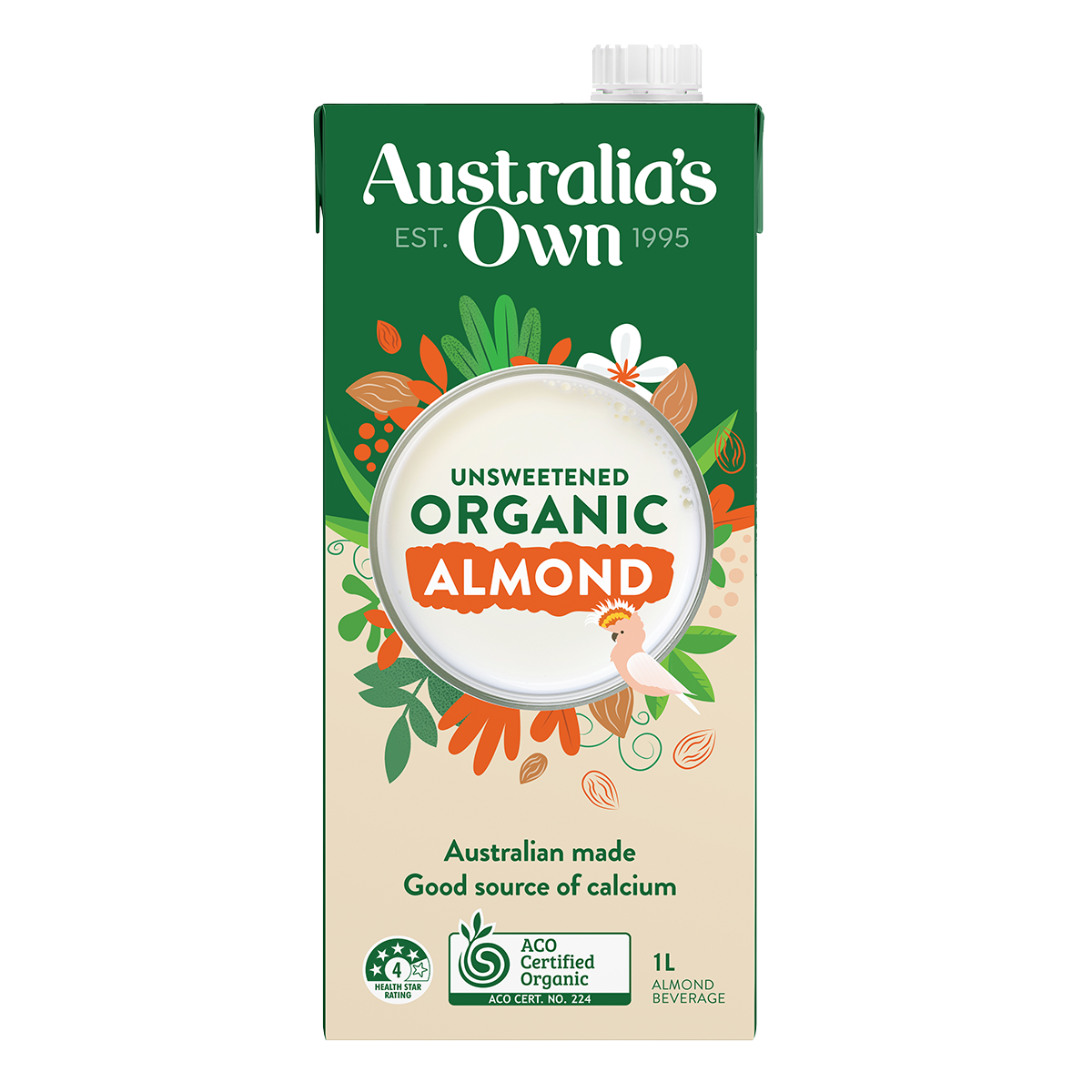
Milks now come in all different forms, some better than others. Some of those include almond, oat, coconut, rice and soy. But here are the things to watch out for:
Oat - avoid this if you are gluten intolerant or coeliac
Soy - make sure it is not genetically modified (the best way is to buy organic)
Rice - the most watery of all milks and the one that will spike blood sugar the most.
All non-dairy milks - watch out for added sugars and thickeners.
Lactose free milk - for those who are sure it is only lactose that causes an issue, it is possible to buy lactose free milk. My recommendation would be Barambah organic in order to avoid the antibiotics often found in cows milk.
Note that if you are using the milk for a smoothie or just as a drink, it is most likely about finding one that you like the taste of. However some milks don’t behave so well in tea and coffee. I hear that oat and soy are best for these.
Where can I buy them? - any supermarket or health food store. Find them in the aisle with UHT/long-life milks.
Coffee shops and restaurants - it would be rare nowadays to find a place that does not have dairy free milks.
Yoghurt
Yoghurt makers have concentrated on coconut as an alternative, however there are also some made from oat and soy milk. It is most likely because coconut lends the closest texture to regular cows milk. Some of the brands available include:
Coyo- This would be the highest quality and is also available as plain, with no added sugar. They also do an oat and coconut yoghurt.
Cocobella- also has a sugar free variety and less expensive than Coyo
Nakula- These ones do have some sugar
Vitasoy - make soy and an oat yoghurt but do contain added sugar. They also have a non-GMO policy.
Where can I buy them? - any supermarket or health food store.
Cheese
If you are intolerant or allergic to the protein in milk (casein), then you need to avoid cheese. Unfortunately, the alternative cheeses available in supermarkets are made with seed oils and artificial additives which are pro-inflammatory and so I definitely do not recommend them. There are alternatives for the taste of cheese, but nothing that will imitate the texture.
You can make a variety of sauces and dips that resemble the cheese flavour. You can buy some of the dips in the supermarket style health food stores as well, but they sell for a high price and are easy enough to make yourself. Here are some links to recipes:
Cheese sauce - using nutritional yeast flakes: can be drizzled on pizza or used with pasta, cauliflower, potato etc.
Fermented cashew cheese - a firm cheese that can be had with crackers and is probiotic.
A note on butter…
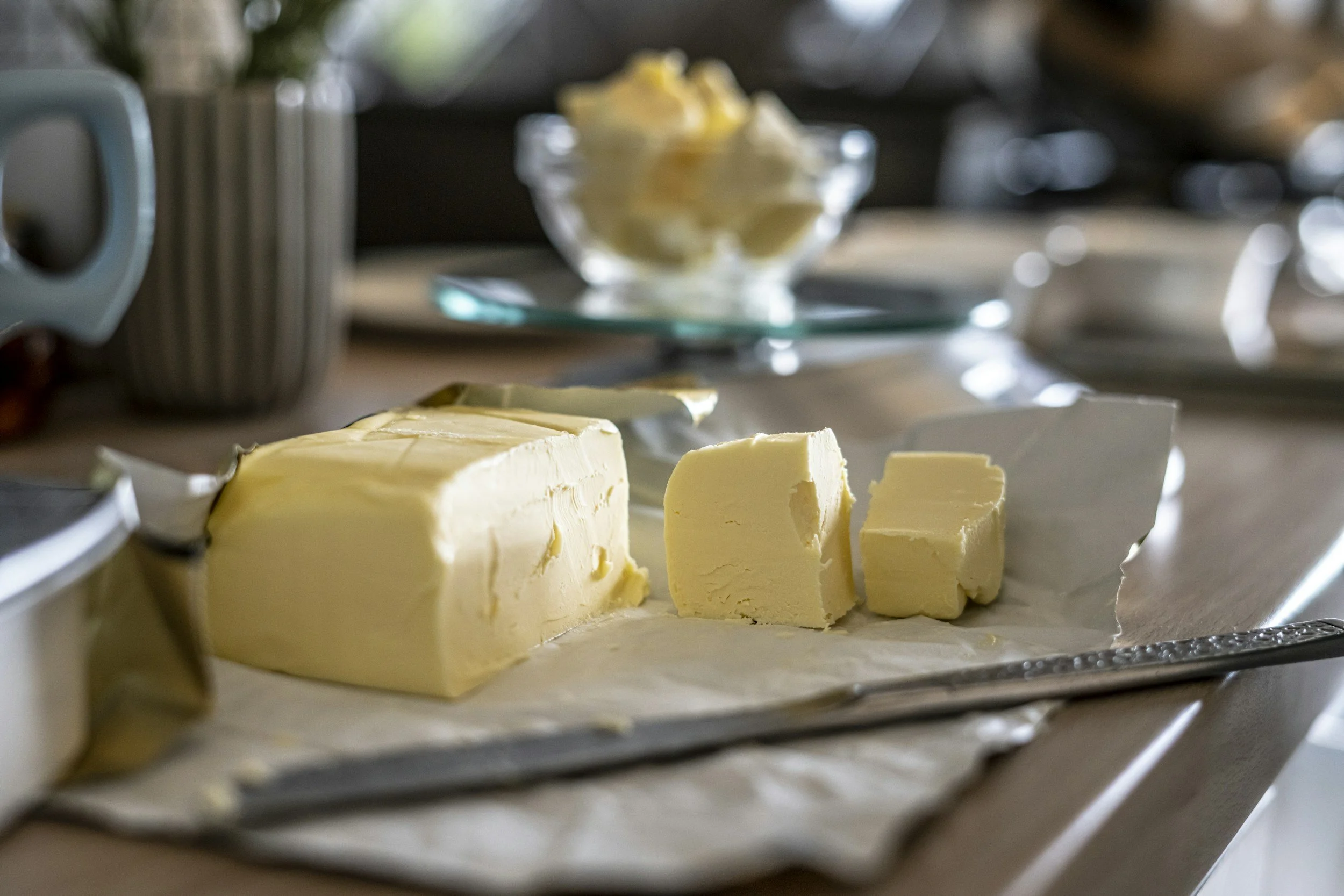
Butter is mostly pure milk fat, which means it contains only tiny amounts of lactose and casein (the sugar and protein found in milk that commonly cause reactions). Because of this, many people with lactose intolerance can enjoy butter without problems. However, if someone has a true dairy allergy or is very sensitive to casein, even the small traces in butter may cause symptoms. In these cases, ghee (clarified butter) is a better choice, as it has had the milk solids removed and is almost completely free of lactose and casein.