

Understanding Sugar, Glycemic Index, and Inflammation
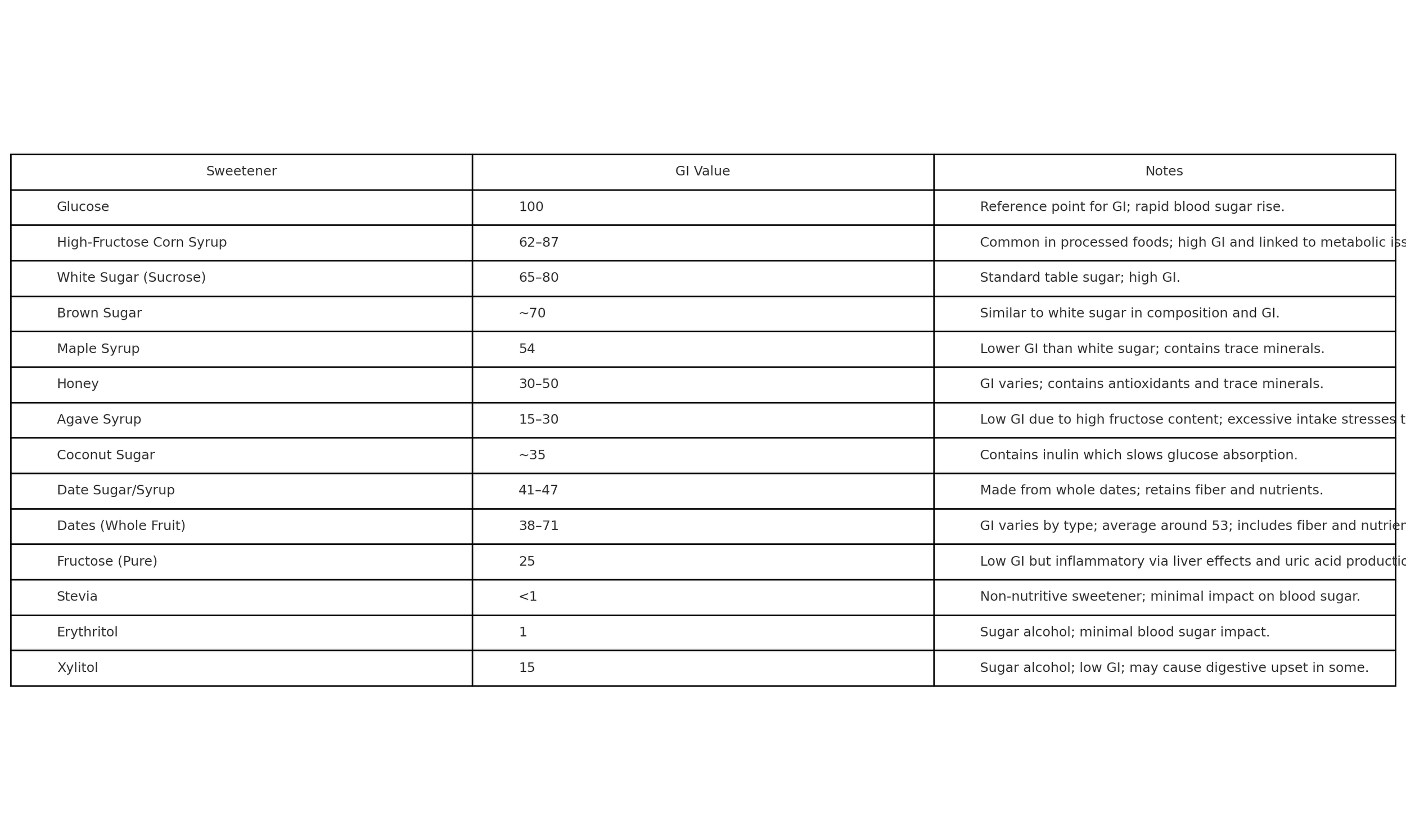
What is the Glycemic Index (GI)? The glycemic index is a scale from 0 to 100 that ranks carbohydrate-containing foods based on how quickly they raise blood sugar levels. High-GI foods cause rapid blood sugar spikes, while low-GI foods lead to a slower, more gradual increase.
Why GI Matters for Inflammation Foods with a high GI can contribute to chronic inflammation in the body. Here's how:
Insulin Spikes: High-GI foods cause rapid increases in insulin, which can activate pro-inflammatory pathways such as NF-kB.
Cytokine Release: Repeated insulin and glucose spikes stimulate the release of inflammatory cytokines like IL-6 and TNF-alpha.
Oxidative Stress: Glucose spikes increase oxidative stress, which damages cells and promotes inflammation.
Insulin Resistance: Chronically high blood sugar and insulin levels can lead to insulin resistance, a core feature of metabolic syndrome and a contributor to systemic inflammation.
Fructose: Low GI, But Still Inflammatory Fructose has a lower GI than glucose, but it can still promote inflammation through different mechanisms:
Liver Overload: Fructose is metabolized almost exclusively by the liver. Excessive intake leads to fat production (lipogenesis), contributing to fatty liver disease and insulin resistance.
Uric Acid Production: Fructose metabolism increases uric acid levels, which can trigger oxidative stress and inflammation.
Appetite Dysregulation: Unlike glucose, fructose does not stimulate insulin or leptin, leading to poor appetite regulation and overeating.
Gut Microbiome Disruption: Fructose may promote dysbiosis and increase intestinal permeability ("leaky gut"), allowing inflammatory compounds (like LPS) into the bloodstream.
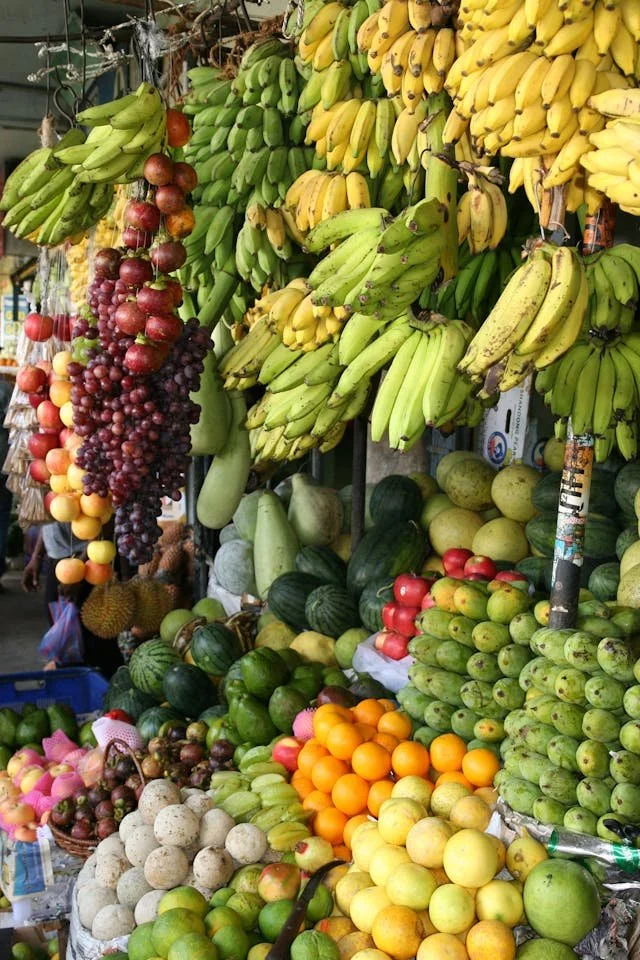
Whole Fruit vs. Processed Fructose Consuming fructose in whole fruit is not nearly as concerning as consuming fruit juice or processed sources like agave syrup. This is because:
Whole fruit contains fiber, which slows down sugar absorption.
It also includes antioxidants, water, and vitamins that buffer the effects of fructose.
Fruit juice and syrup forms are concentrated sources of sugar without fiber, leading to rapid liver burden and greater inflammatory potential.

Summary
High-GI sweeteners rapidly raise blood sugar and insulin, triggering inflammation.
Low-GI sweeteners can be less inflammatory, but those high in fructose (like agave) still stress the liver.
Whole fruits (like dates) are healthier due to their fiber and nutrient content, and are not nearly as inflammatory as fruit juice or processed fructose sources.
Non-nutritive sweeteners (e.g., stevia, erythritol) are lowest in GI but should still be consumed in moderation depending on individual tolerance.
Tips to Reduce Inflammation from Sugar:
Choose whole, unprocessed foods over refined sweeteners.
Limit intake of high-GI and high-fructose sweeteners.
Prefer whole fruits over juices or syrups.
Support liver health and gut microbiome with a diverse, fiber-rich diet.
Eat balanced meals with protein and fat to slow carbohydrate absorption.