Sunlight & Health: A Balanced Approach to Sun Safety
For many years, public health messages have focused almost entirely on the dangers of sun exposure. While avoiding sunburn is essential, emerging research shows that regular, sensible sunlight exposure plays an important role in overall health. The goal is not to fear the sun, but to use it wisely.
Why Our Bodies Need Unimpeded Sunlight
Sunlight is a natural biological medicine that supports multiple systems in the body:
Vitamin D production – Ultraviolet-B (UVB) light enables the skin to make vitamin D, which is essential for immune, bone, and metabolic health. This process does not occur through glass, sunscreen, or clothing.
Cardiovascular support – Sun exposure has been associated with improved vascular function and reduced cardiovascular risk and mortality through nitric-oxide release in the skin.
Metabolic health – Research suggests regular, low-dose UV exposure helps to regulate weight gain, insulin sensitivity, reduce diabetes risk and inflammation.
Cancer patterns – Population studies have found that regions with higher UVB exposure often show lower rates of several internal cancers, and that reduced sun exposure greatly increased risks of several cancers.
Eye development in children – Time spent outdoors has been linked with reduced risk of developing myopia (short-sightedness).
Longevity – Observational studies have associated very low sun exposure with higher all-cause mortality compared with moderate exposure.
Pain reduction - A 2005 study found patients exposed to greater amounts of sunlight needed less pain medication and experienced less pain related stress.
Circadian rhythm regulation - Sunlight is a primary driver in the regulation of sleep-wake cycles and a lack of sunlight may cause issues with daytime energy levels and healthy sleep patterns.
Importantly, many of these benefits appear to involve more than vitamin D alone, meaning supplementation cannot fully replace natural sunlight.
What Actually Causes Skin Cancer?
Research consistently shows that sunburn and intermittent intense exposure, not regular moderate exposure are most strongly associated with skin damage and skin cancer as well as other factors in relation to sun behaviour.
Higher risk behaviours include:
Sudden, prolonged exposure after long periods indoors. Note that windows do NOT allow beneficial UV light to access your skin.
Consistent exposure to blue light (via screens) - induces skin cancer risk.
Burning the skin, especially during childhood.
Inconsistent exposure patterns (e.g., “holiday sun”).
Consistent use of sunscreen which not only blocks the sun but often contributes to cancer causing agents - see below for further details.
Consistent use of sunglasses - the eyes detect sunlight and in doing so, trigger a release via the brain of higher amounts of melanin to protect the skin. Sunglasses block this process.
Poor diet, leading to acidic tissue states and higher rates of inflammation that create an environment susceptible to skin damage and cancers.
Nutrient deficiencies.
Regular, non-burning exposure allows the skin to gradually adapt by increasing its natural protective pigment (melanin).
Safe Sun Habits
Aim for frequent, moderate exposure, never burning.
General guidance:
Spend 15–20 minutes in the sun at least 3 times per week (longer is needed for darker skin tones, the darker the skin, the more exposure is needed due to the higher melanin content.).
Expose larger areas of skin when possible, while avoiding peak burn conditions.
Build exposure gradually as this encourages the development of more melanin.
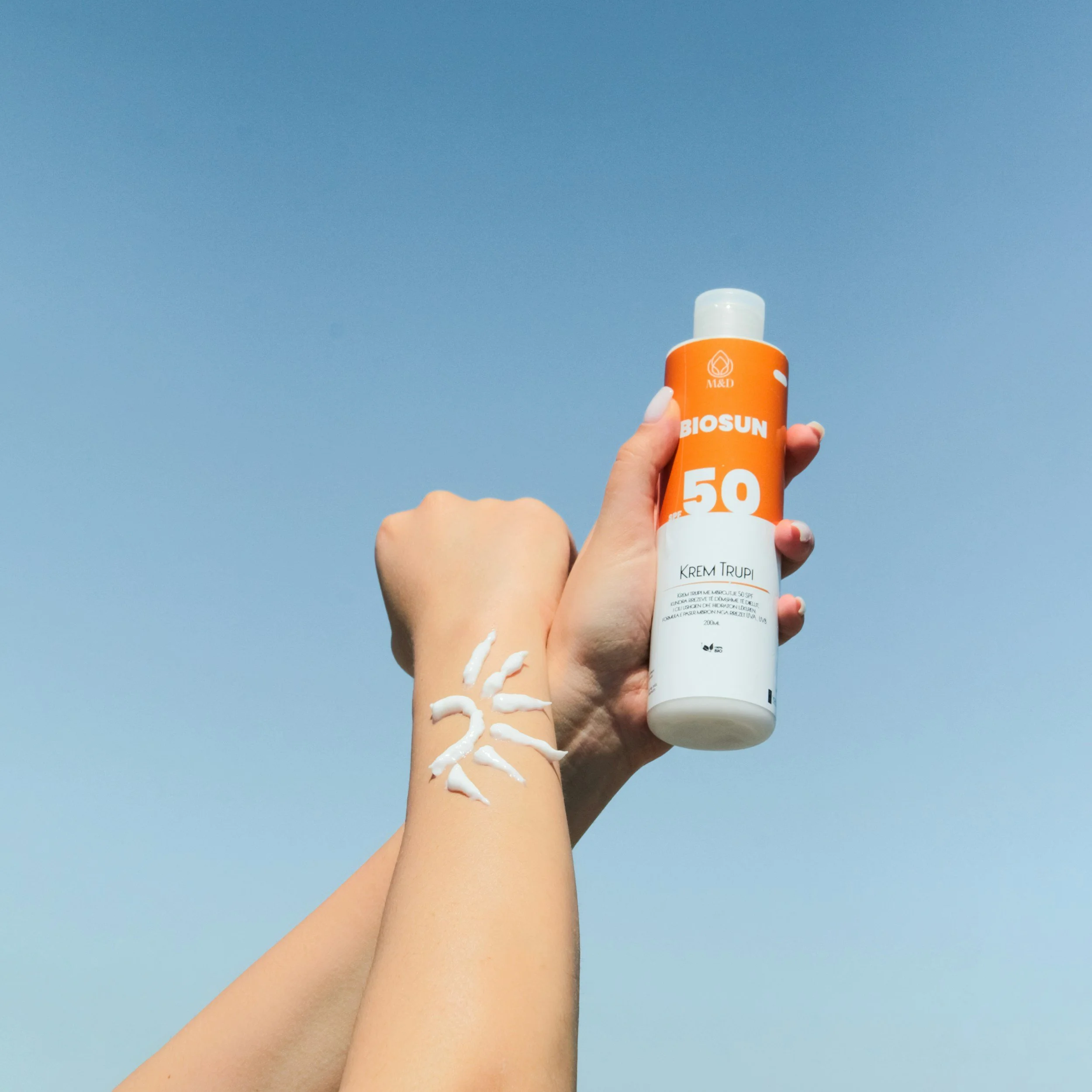
If you must remain in strong sun for extended periods, use protective clothing, shade, or a toxin free sunscreen.
During low-sunlight winter months, vitamin D supplementation may be helpful — but avoid excessive dosing as this is harmful.
Nutrition Matters: Your “Internal Sunscreen”
Diet strongly influences how the skin responds to sunlight.
Plant compounds such as carotenoids and polyphenols accumulate in the skin and help raise the threshold at which UV causes inflammation. Diets low in these nutrients may leave skin more reactive to sun exposure.
To support natural resilience:
Eat a diet rich in colourful vegetables and fruits.
Ensure adequate omega-3 fatty acids (e.g., oily fish, grass fed meats, fresh ground flaxseed, chia seeds). To increase protection, supplement with a good quality fish oil.
Maintain overall antioxidant intake to help counteract UV-induced oxidative stress. You may wish to supplement with astaxanthin, a marine derived carotenoid, found in lobsters, crab, wild trout and wild salmon.
Avoid processed foods, trans fats and preservatives, all of which increase the acidity of tissues and create the terrain that is conductive to skin cancer growth.
Avoid toxic sunscreens. According to Dermatologist, Zoe Diana, sunscreens were never designed to prevent skin cancer. Many conventional sunscreens contain carcinogenic and endocrine disrupting chemicals which does defeat the purpose of using them to avoid cancer. Check out the environmental working group's sunscreen ratings and always choose a sunscreen that is made with safe ingredients.
These protective effects develop gradually and require consistent healthy dietary habits.
“Sun Allergy” - Often Not What It Seems
Some people experience rashes after sun exposure and assume they are “allergic to the sun.”
In many cases, this reflects heightened skin sensitivity linked to inflammation, oxidative stress, medications, or nutritional imbalance, rather than a true allergy to sunlight itself.
Addressing diet quality, metabolic health, and gradual exposure often improves tolerance.